Showing posts with label e) Alcohols. Show all posts

Sunday, July 9, 2017

4.29C: Know that Alcohols Contain the Functional Group -OH


ALCOHOL: Family of organic, Carbon-based compounds that all contain the -OH group responsible for their chemical properties and reactions
s
Example:

METHANOL
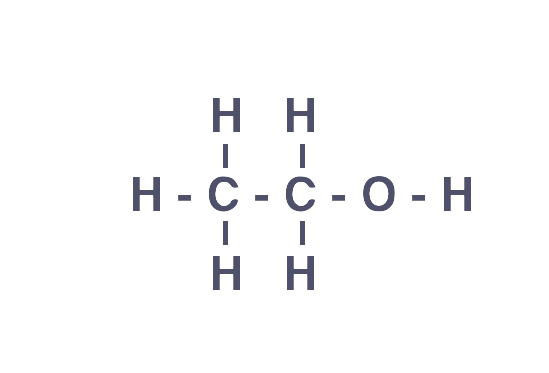
ETHANOL
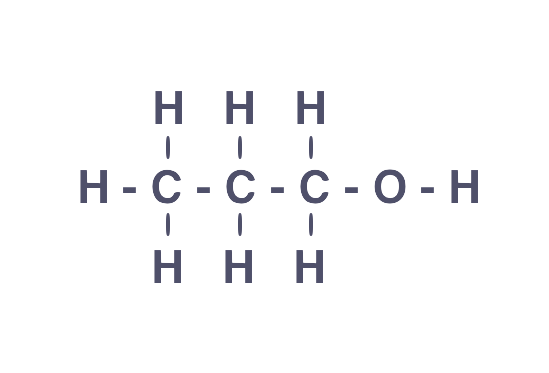
PROPANOL

4.30C: Understand How to Draw Structural and Displayed Formulae for Methanol, Ethanol, Propanol (Propan-1-ol only) and Butanol (Butan-1-ol only), and Name Each Compound


ALCOHOL: Family of organic, carbon - Based compounds that all contain the -OH group responsible for their chemical properties and reactions
s

STRUCTURAL AND DISPLAYED FORMULA FOR -OH GROUP
s
  • Functional group in Alcohol is the Hydroxyl group (-OH)
s
ALCOHOL
STRUCTURAL FORMULA
DISPLAYED FORMULA
   METHAONOL
CH3OH
   ETHANOL
CH3CH2OH
   PROPANOL
CH3CH2CH2OH
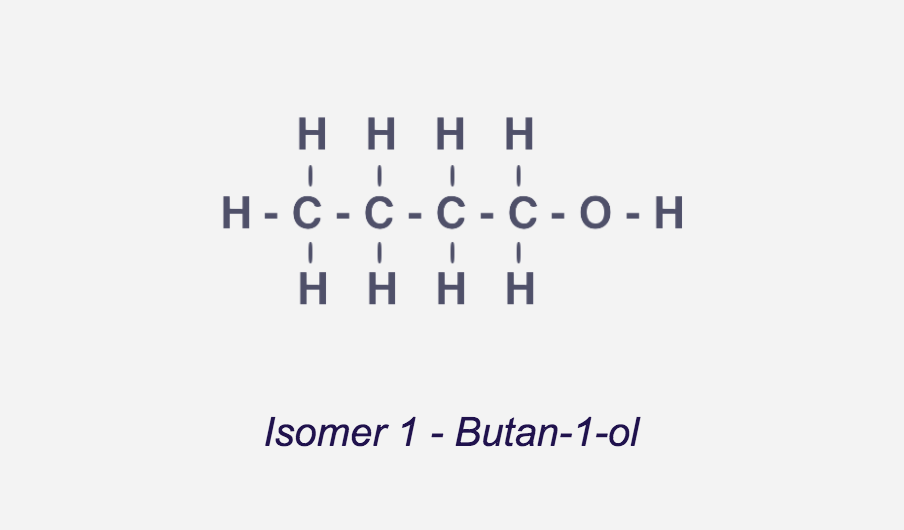
   BUTANOL
CH3CH2CH2CH2OH

4.31C: Know that Ethanol can be Oxidised by: Burning in Air or Oxygen (Complete Combustion), Reaction with Oxygen in the Air to Form Ethanoic Acid (Microbial Oxidation), Heating with Potassium Dichromate (VI) in Dilute Sulfuric Acid to Form Ethanoic Acid


ETHANOL: C2H5OH                   OXIDATION: Loss of Electrons and gain of oxygen

s
OXIDATION OF ETHANOL
ss
*COMPLETE COMBUSTION OF ETHANOL:
s
  • Ethanol can be oxidised by complete combustion when heated with an unlimited supply of Oxygen:


 Ethanol    +    Oxygen    →    Carbon Dioxide    +    Water

 C2H5OH              3O2                         2CO2                   3H2O

s

*MICROBIAL OXIDATION:

  • Microbial oxidation of Ethanol occurs when a bottle of wine is opened, causing bacteria in the air (Acetobacter) to use atmospheric Oxygen to oxidise Ethanol into a weak solution of Ethanoic acid:


 Ethanol    +    Oxygen    →    Ethanoic Acid    +    Water

 C2H5OH              3O2                    CH3COOH              3H2O


*Opened bottle of wine can quickly turn into vinegar due to the large number of Bacteria present in the air
s


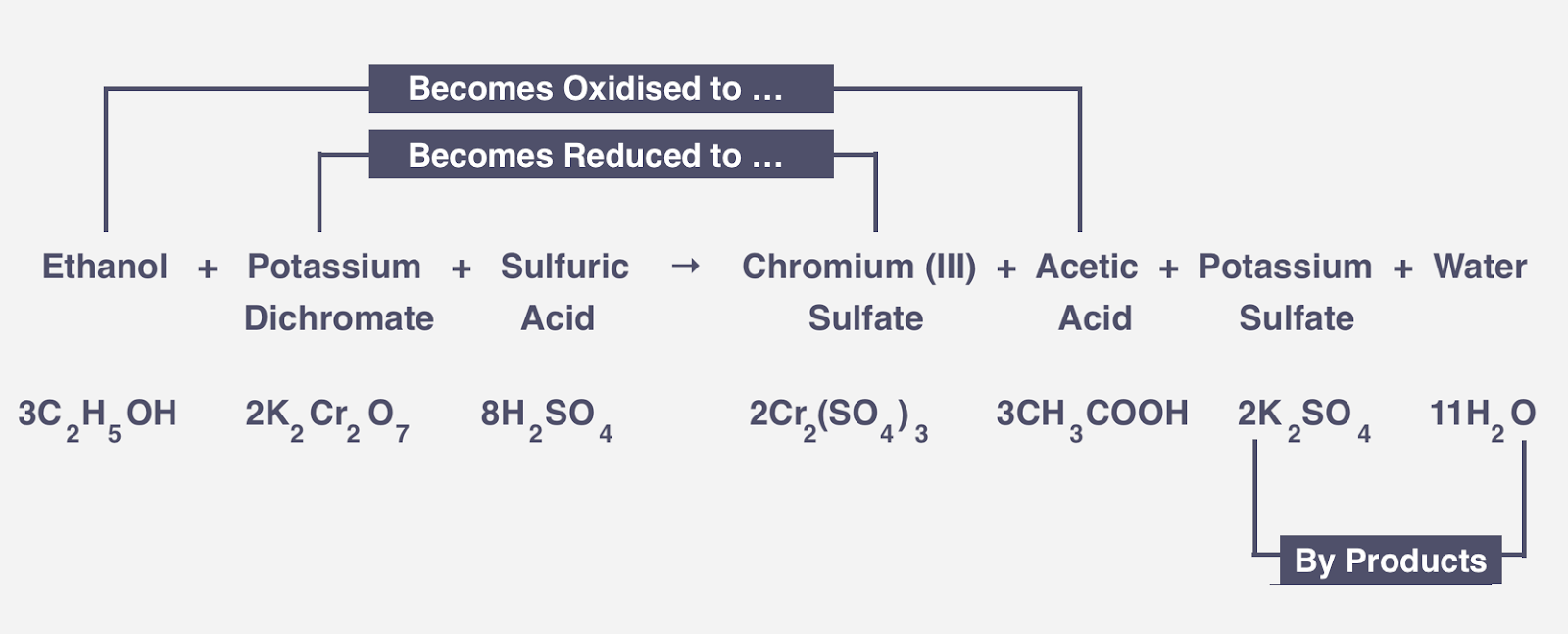
*HEATING WITH POTASSIUM DICHROMATE (VI) IN DILUTE SULFURIC ACID:
s
  • Ethanol can be oxidised by heating with an oxidising agent - such as Potassium Dichromate (VI) in Dilute Sulfuric Acid, causing orange solution containing Dichromate (VI) ions to be reduced into a green solution containing Chromium (II) ions:

4.32C: Know that Ethanol can be Manufactured by: Reacting Ethene with Steam in the Presence of a Phosphoric Acid Catalyst at a Temperature of About 300°C and a Pressure of about 60-70 atm, The Fermentation of Glucose, in the Absence of Air, at an Optimum Temperature of about 30°C and Using the Enzymes in Yeast


ETHANOL:
s
Ethanol (C2H5OH) is the Type of Alcohol Found in Alcoholic Drinks such as Wine and Beer. It is also used as Fuel for Cars


MANUFACTURE OF ETHANOL
s
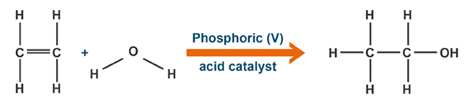
1. REACTING ETHENE WITH STEAM (HYDRATION):
s
  • Mixture of Ethene an steam is passed over a hot catalyst of Phosphoric Acid at a temperature of 300°C and atmospheric pressure of 60 - 70, then condensed into a liquid for use:
s

Equation showing the Reaction between Ethene and Steam
s

 Ethene   +   Water   →   Ethanol
 
    C2H4           H2O            C2H5OH                          


s
2. FERMENTATION OF GLUCOSE:
s
  • MYeast is added to mixture of sugar/starch dissolved in Water and fermented at 30°C with the absence of Oxygen, allowing enzymes in Yeast to respire anaerobically to produce Glucose and Ethanol:
s

 Glucose   →   Ethanol   +   Water
 
 C6H12O6       2C2H5OH      2H2O                          

s
Equation showing the Fermentation of Glucose by Anaerobic Respiration

s

COMPARING METHODS


HYDRATION OF ETHENE
FERMENTATION
RAW MATERIALS

Uses non - renewable resources (crude oil)
Uses renewable resources (sugar cane)
TYPE OF PROCESS
Continuous process
Batch process
RATE OF REACTION
Quick
Slow
PURITY OF PRODUCT
Pure (no by-products)
Impure (needs treatment)
REACTION CONDITIONS

Large amounts of energy needed due to high temperature (300 ℃) and high pressure (60 - 70 atm)
Small amounts of energy needed due to low temperature (30℃) and normal pressure (1 atm)

4.33C: Understand the Reasons for Fermentation, in the Absence of Air, and at an Optimum Temperature


FERMENTATION: Conversion of Glucose into Ethanol and Carbon Dioxide
s
CONDITIONS OF FERMENTATION:
s
CONDITION
EXPLANATION
ABSENCE OF AIR
For Yeast to respire anaerobically to produce Carbon Dioxide and Ethanol, Oxygen needs to be absent

OPTIMUM TEMPERATURE
Optimum temperature is needed to prevent the denaturation of enzymes, therefore creating an optimum environment that increases enzyme activity